
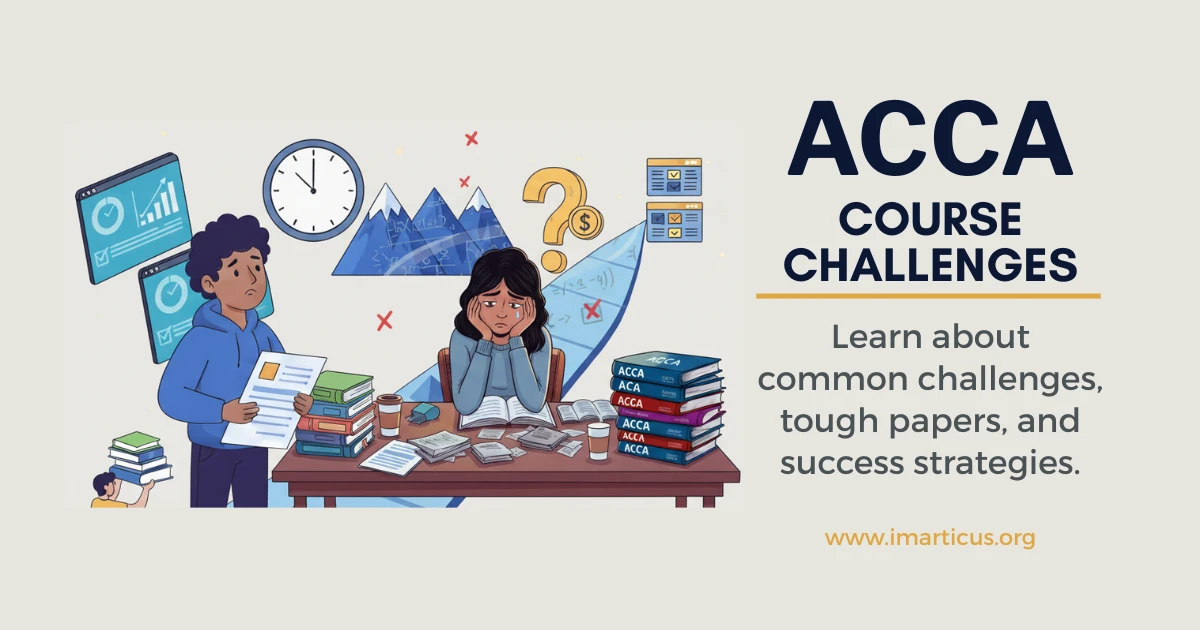

Working and studying for ACCA at the same time is tough. Time is tight. Focus comes in short bursts. The right support can make the difference between a near miss and a pass. This checklist shows how to pick an ACCA tutor online who fits your life and helps you pass ACCA exams with less stress and more control. It is written for busy people who want clear steps and straight answers.
If you want a quick place to start, explore study help from an experienced ACCA SBR tutor on this site’s home page. You will find free guidance and useful articles here at the main hub for SBR and revision support. Visit the ACCA SBR tutor page for an overview of resources and routes that fit a working week.
What a modern online ACCA tutor should deliver
An effective online tutor does more than explain rules. The aim is to turn knowledge into marks on exam day. The best ACCA tutors focus on steady practice, short feedback loops, and strong exam technique. Look for these core features:
- A plan that helps you pass ACCA exams first time or on your next try
- Clear teaching across the full SBR ACCA syllabus, with focus on applied writing
- Regular marking with specific, practical feedback
- Timed practice with ACCA sample exams and debriefs
- Simple notes and templates you can use under time pressure
- Live help when you get stuck, without long delays
- A calm tone that builds confidence and keeps you on track
You will see the same pattern across strong online ACCA courses UK wide. The best ones give you structure and space to work. They cut fluff and help you complete.
The checklist at a glance
Use this list when you compare online ACCA tuition and ACCA tuition providers online:
- Outcomes aligned to your goal to pass ACCA exams
- A weekly timetable that fits a job and family life
- Marked scripts with quick turnarounds
- ACCA exams questions and answers used for timed practice
- Coverage of tough SBR areas like IFRS 11 and derivative accounting
- A realistic plan for ACCA resit exams if needed
- Live support options that respect your schedule
- Tools to help with staying motivated during ACCA exams
- Guidance on which ACCA exams to take together
- Proof of results and a clear track record
Keep this list open while you read the rest of the guide.
Outcomes that stay front and centre
Your tutor should define success in simple terms. Success means you complete the paper and earn marks in each task. It also means you build habits that stop failing ACCA exams again and again. Ask for a written outcome statement. It should include:
- A finish the paper aim for each mock
- A pass ACCA exams path that you can follow week by week
- A plan to fix weak areas through writing drills
- Dates for mock exams and debriefs
This clarity helps you push through hard weeks. It is the basis of a solid ACCA exam success guide.
A structure that works with a busy week
Online study wins when time is scarce. Travel time drops to zero. Sessions can be short. Look for online ACCA courses UK candidates use during lunch breaks, early mornings, or late evenings. Strong tutors design short tasks you can complete in 30 to 45 minutes. A simple week might look like this:
- Two short lessons that cover a key rule and an applied example
- One 20 minute timed write up from ACCA exams questions and answers
- One marked script with feedback
- One light review of SBR notes and a small rewrite
This approach keeps you moving even when work is heavy. It suits sbr online learners and those in a live ACCA revision class.
Accountability that does not feel heavy
Accountability is a small habit. Set weekly targets. Report progress. Adjust fast. Your ACCA tutor should help you run a simple loop:
- Sunday set targets for topics, hours, and tasks
- Midweek check in by message to unblock issues
- End of week submission with a short reflection
- Next week plan based on feedback
This loop is the core of effective ACCA tutoring. It is simple to follow and easy to keep.
Feedback that turns effort into marks
You need feedback that shows you how to improve. Good feedback is plain and specific. It points to the requirement, explains where marks were won, and shows how to tighten a paragraph. It is one reason many people prefer an ACCA private tutor or a small group over a large forum. When you compare ACCA tutors online, ask for a sample of marked work. Look for:
- Notes that link your answer to the marking approach
- Short rewrites to show a better structure
- Guidance on timing and how to complete every part
- A calm tone that helps you improve without stress
Exam technique built into every step
Passing ACCA exams depends on strong technique. The content matters. The way you present answers matters just as much. Technique includes time control, structure, clear openings, and short conclusions. Your tutor should build this into each task. For example:
- Use two line openings that state the issue and the rule
- Apply the rule to the case in one or two lines
- End with a clean decision or impact line
- Move on when time is up
Practice these moves in short drills. The skill then shows up in full questions without effort. This is how online ACCA tuition delivers steady gains.
SBR content coverage that you can trust
SBR tests applied thinking. It loves real business issues. Make sure your tutor covers the areas that often slow candidates down:
- IFRS 11 Joint Arrangements
Expect clear teaching on joint operations and joint ventures. Learn how rights and obligations drive classification. Practise short explain answers that move from definition to impact. - Derivative accounting and hedge accounting
Understand the basics of derivatives, initial recognition, and measurement. Learn the simple shape of derivative hedge accounting in the context of IFRS 9. See how designation, effectiveness, and reclassification affect the entries. Work through a commodity hedge accounting example so you can describe the impact on profit or loss and OCI in plain terms. - Group issues and performance reporting
Practise how to discuss consolidation and the effect on ratios and investor insight. Keep language tight. Show the link between the rule and the case. - Professional marks and communication
Write with purpose. Use headings, bullets, and short paragraphs. Keep it clear. Avoid padding.
Well taught SBR ACCA content saves time later. It turns theory into points on the page. If you prefer a guided route, review the ACCA SBR course options that include marking and live debriefs. The right structure removes guesswork and reduces stress.
Realistic mock strategy
Mocks show where you stand. You need at least two full mocks. Sit them to time. Complete all parts. Get them marked. Debrief each one with a simple form:
- What went well
- What cost time
- What cost marks
- What to change this week
Avoid long trawls through an ACCA exams forum right after a mock. Fix your main issues first. Forums can help, but they can also distract and drain focus. Your tutor can steer you to specific threads when useful.
A plan for resits if needed
Sometimes life wins and a sitting does not go to plan. A good tutor has a clear route for ACCA resit exams. The plan is short and focused:
- Read your script review or feedback and list three issues
- Set a four week timetable with one marked script each week
- Add daily 10 minute writing drills to rebuild speed
- Sit a mock two weeks out and one the week before
This is not a restart from zero. Keep what you do well. Fix the key problems. This calm approach helps you stop failing ACCA exams and reach a pass on the next window.
Live help that respects your schedule
Busy professionals need flexible contact. Strong tutors offer short message support, quick voice check ins, or compact Q and A sessions. You should not have to wait days for a simple answer. Online help should feel light. You want to keep moving.
Many candidates compare ACCA tuition near me with an online model. Local tuition can be great, but travel steals time. In most cases, an ACCA tutor online gives you more practice for the same hours. That practice is what raises marks.
Tools and resources that help without noise
You only need a few tools. Do not overload your setup. Look for:
- A clean set of SBR notes in your own words
- Short video lessons you can rewatch at speed
- A library of ACCA sample exams and partial tasks
- A space to submit work and see feedback without delay
- Simple trackers for hours, tasks, and mocks
This helps you focus on work that moves the needle. It also supports staying motivated during ACCA exams because you can see progress.
Which ACCA exams to take together
If you plan the full path, think about pairings. Many candidates ask which ACCA exams to take together. Here are simple guides:
- Pair Strategic Business Reporting with a paper that shares concepts, if workload allows
- Keep work and family load in mind when you set targets
- Do not stack too many first attempts in one window if time is tight
- Use your tutor’s view on sequencing and how difficult is passing ACCA for each paper in your case
The right pairing helps with ACCA motivation because you see links across topics and keep a steady pace.
Motivation and mindset that last
Motivation rises and falls. Build habits that carry you when mood dips:
- Keep sessions short and regular
- Track small wins each week
- Share your plan with a partner or friend
- Use a simple reward when you complete a mock
- Protect sleep the week before a big push
Your tutor should support this. Calm, steady work beats bursts. This is the mindset behind ACCA exam success.
Due diligence on tutors and providers
Before you choose, do a simple check. Whether you prefer an account exam tutor for one to one help or a wider online ACCA course UK option, ask for:
- A sample of marked work showing before and after improvements
- A real timetable with dates for mocks and debriefs
- A list of recent pass stories with the support used
- Clear terms on response times and how to get help
- Outline coverage of tough topics like IFRS 11 and derivative hedge accounting
- The number of scripts that will be marked in your package
This protects your time and money. It also helps you compare ACCA tutoring options like for like.
How to use ACCA exams questions and answers
Practice is where gains happen. Use past style questions to build speed and structure. Here is a simple method:
- Scan the requirement and plan four short points
- Write a two line opening that frames the issue and the rule
- Apply to the case in short lines
- Conclude and move on
Keep a log of phrases that work. Build your own SBR notes with these lines. This habit makes you faster and clearer.
What strong teaching looks like in SBR
The best acca tutors show you how to think and write in the language of the exam. Strong ACCA teaching uses simple words and precise terms. It avoids long theory dumps. When a tutor explains derivative accounting, you should hear the point in clear steps. For example, what a derivative is, why fair value matters, and how hedge designation works at a high level. You do not need heavy jargon to make good points. You need clarity and application.
You should also see real, short examples. A commodity hedge accounting example helps you talk about cash flow hedges in plain terms. That gives you the confidence to write two neat lines under time.
Group or one to one help
Some people learn best in a small sbr group. They like hearing how others approach a case. Others want a personal account exam tuition plan from an accounts tutor who knows their schedule and weak spots. You can blend both. Many providers offer an SBR training path with live workshops plus a set number of marked scripts. Pick the mix that you will use.
Red flags to avoid
A few signs that a course or tutor may not suit you:
- No marked scripts or no real feedback
- Only long lectures with little practice
- Heavy focus on notes without applied writing
- No mock plan
- Slow replies to simple questions
- Big claims without examples of work
Trust your sense. If it feels like noise, it will cost time.
Questions to ask before you enrol
Use this list on a call or in a message:
- How will you help me pass ACCA exams and finish the paper
- How many scripts will you mark and how fast can I expect feedback
- Do you cover IFRS 11, derivative accounting, and hedge accounting in applied form
- What is the plan if I need ACCA resit exams support
- Do you provide ACCA sample exams and short drills
- How do live sessions work for people with a full time job
- Can I see a marked script sample with comments and a short rewrite
A clear answer to each builds trust. It also shows how the tutor works day to day.
A simple four week plan to try now
You can start today. Use this plan alongside work:
Week 1
- Watch two short lessons on key SBR topics
- Write a one page SBR notes sheet using your own words
- Attempt one 20 minute question to time
- Submit one short script for marking
Week 2
- Practise two timed tasks with clear openings and conclusions
- Review feedback and rewrite one weak paragraph
- Complete a short quiz to check understanding
- Keep one rest day to protect energy
Week 3
- Sit a half mock with timing and complete all parts
- Debrief with your tutor and list three fixes
- Do two 10 minute drills on those fixes
- Update your notes with better phrases
Week 4
- Sit a full mock to time and submit for marking
- Review and plan the final week before the exam
- Keep sleep and food simple and steady
- Reduce new content and focus on execution
This plan is light but effective. It is ideal for people with work and family duties.
Where to find structured help
If you want a clear route with dates and deliverables, review the current ACCA SBR course options that include live sessions, marking, and a mock schedule. If you want to browse wider study support, free advice, and contact routes, the main hub for an ACCA tutor online gives a helpful overview. Choose the support level that fits your budget and time. Then commit.
Passing ACCA exams is hard work, but it does not need to be chaotic. A calm plan, steady practice, and sharp feedback will carry you through. Use this checklist to choose support that respects your time and helps you improve fast. Focus on clear writing, time control, and applied answers. Keep your week simple. Finish the paper. Build confidence. That is how to pass ACCA exams first time or at the next sitting.
If you need structure for SBR, explore a course that fits your week. If you need targeted help, find a tutor who will mark your work and show you how to lift marks. Keep your tools light. Keep your promises to yourself. Progress will follow.


